what is the future development direction of traditional fuel vehicles?
- Upgrade of High-Efficiency Internal Combustion Engines:
- In-depth Integration of Hybridization:
- Precise Positioning in Segmented Scenarios:
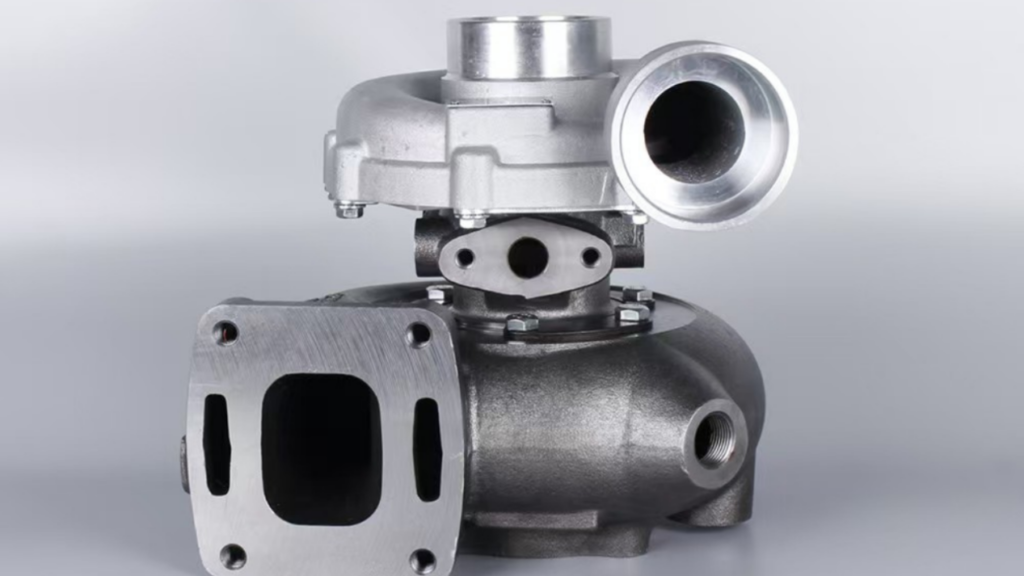
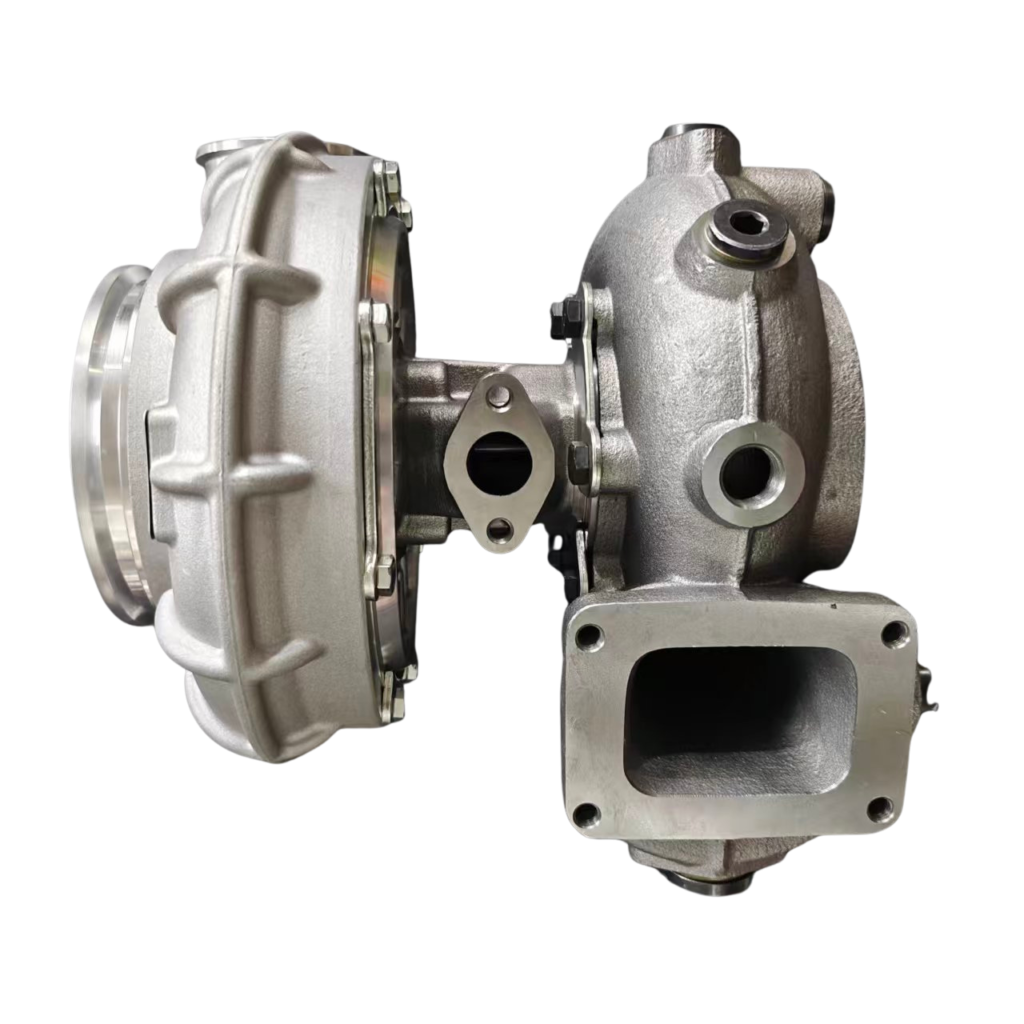
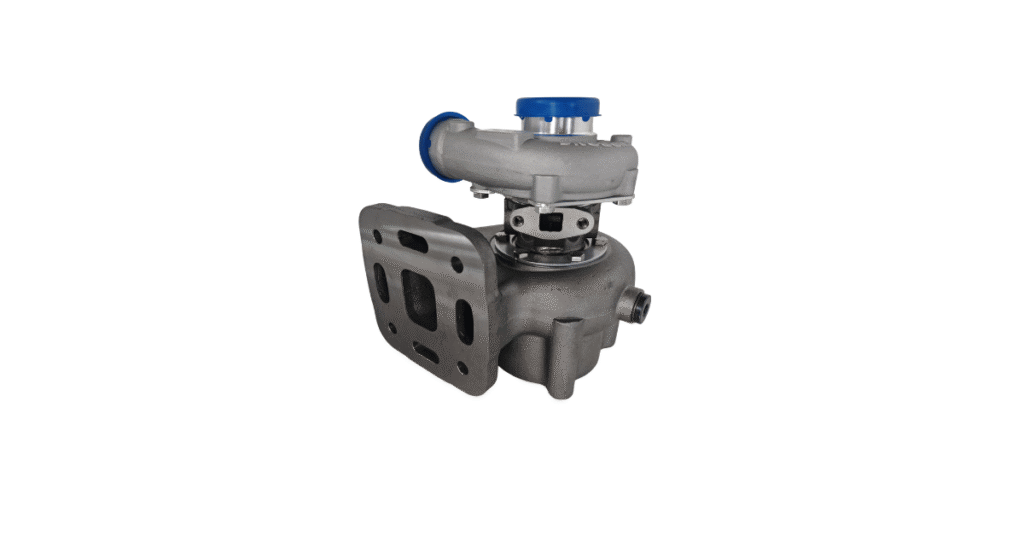
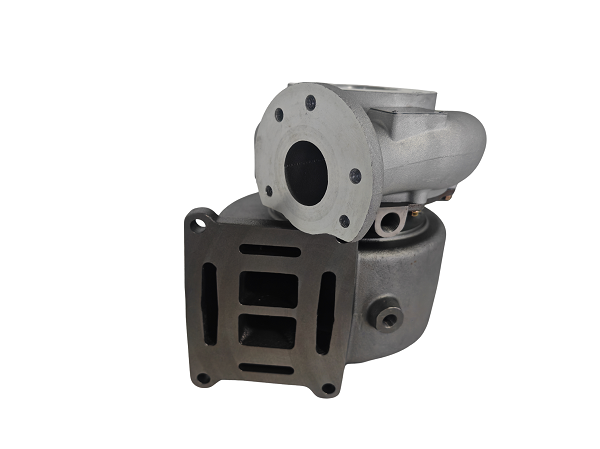
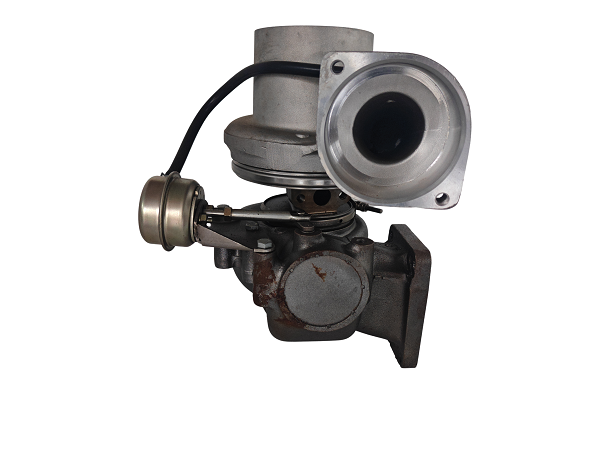
Turbochargers will play an increasingly important role. let’s look at turbochargers .
✅ Adapting to High-Efficiency Internal Combustion Engines to Make Up for Technical Shortcomings: Although the deep Miller cycle can improve thermal efficiency, it has the defects of insufficient low-speed torque and insufficient air intake. Turbochargers (especially small-inertia turbos) can force more air into the cylinder, perfectly making up for this shortcoming, forming a “turbocharging + Miller cycle” golden combination. It not only improves power but also reduces fuel consumption and emissions — under the same power, turbocharged models emit 15%-20% less carbon than naturally aspirated models, which is more in line with strict emission standards.
✅ Adapting to Hybrid Systems to Optimize Working Condition Performance: In hybrid models, turbochargers no longer work all the time, but intervene intelligently according to engine working conditions, cooperating with electric motors to achieve smooth power output and maximum energy saving.
✅ Continuous Technological Upgrade to Meet Transformation Needs: To meet the needs of environmental protection and efficiency, turbocharger technology is constantly iterating — Variable Geometry Turbochargers (VGT) adjust blade angles to solve turbo lag and achieve efficient supercharging in the full speed range; electronic auxiliary turbos combined with 48V mild hybrid systems further optimize responsespeed; the application of high-temperature resistant materials allows the turbo to withstand temperatures of 1050 degrees Celsius, improving reliability and service life.
Of course, we must also admit that the market demand for turbochargers is undergoing differentiation: with the increase in the penetration rate of pure electric models, the demand for turbos in traditional fuel vehicles will gradually shrink, but in the fields of hybrid models, commercial vehicles, and high-end performance cars, the demand will remain stable. In the future, the core competitiveness of turbocharger enterprises will focus on technological breakthroughs in “adapting to hybrid systems”, “improving thermal efficiency”, and “reducing emissions”, rather than simply improving power.
Finally, I would like to discuss with you: amid the electric vehicle wave, where do you think the next growth point of traditional fuel vehicles lies? What are the untapped innovative spaces for turbochargers? Is it technological upgrading to adapt to hybridization, or expanding the application of green fuel models? Welcome to share your views in the comments and explore the diversified development path of the automotive industry together.
#Turbocharger #MarineTurbocharger #HybridPowertrain #Automotive #AutoParts #EngineTechnology