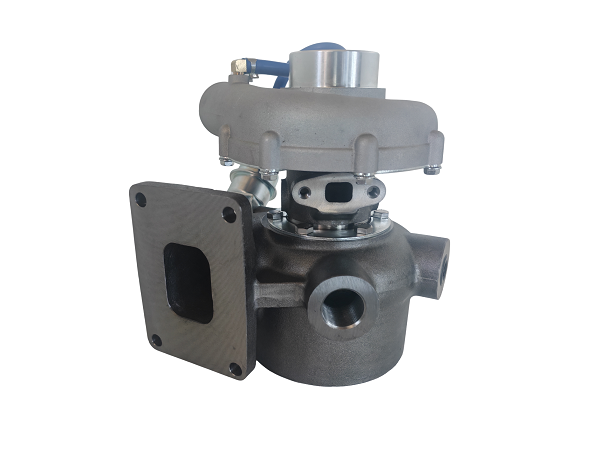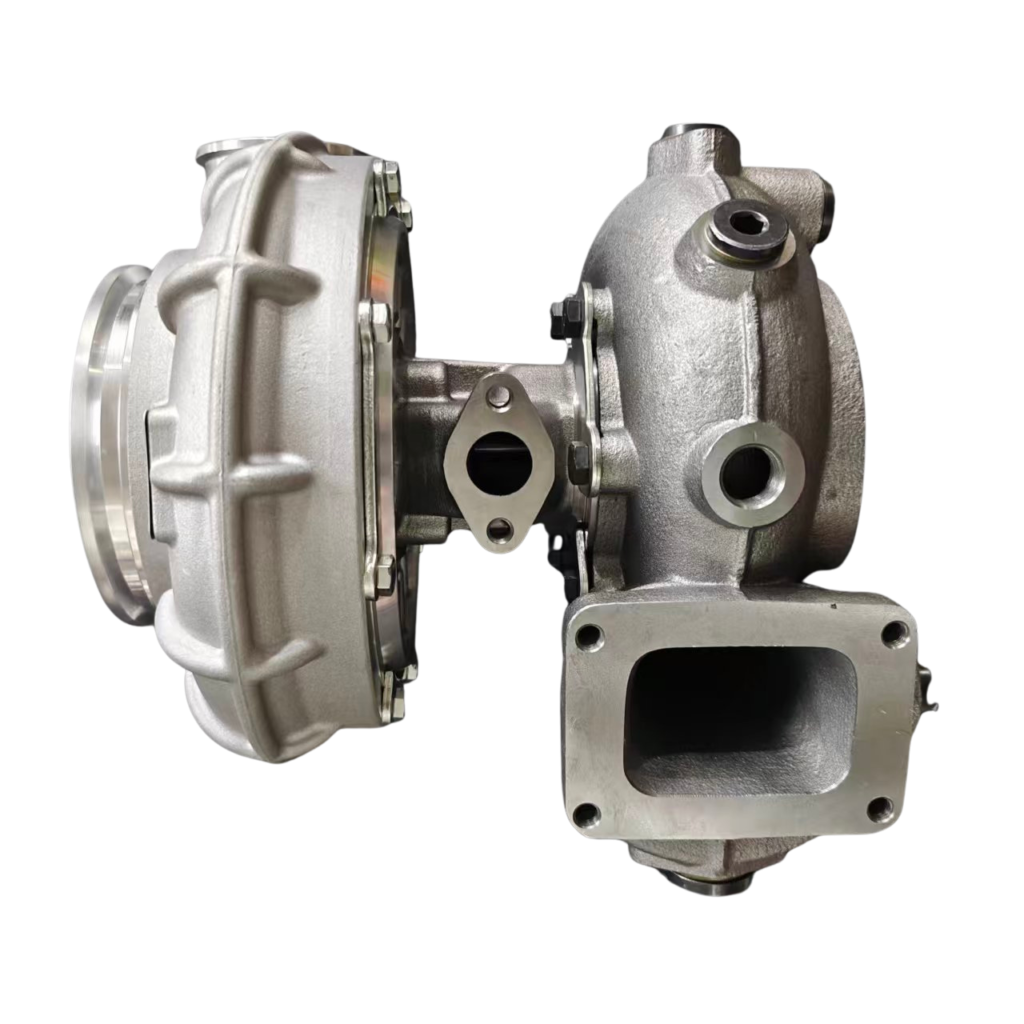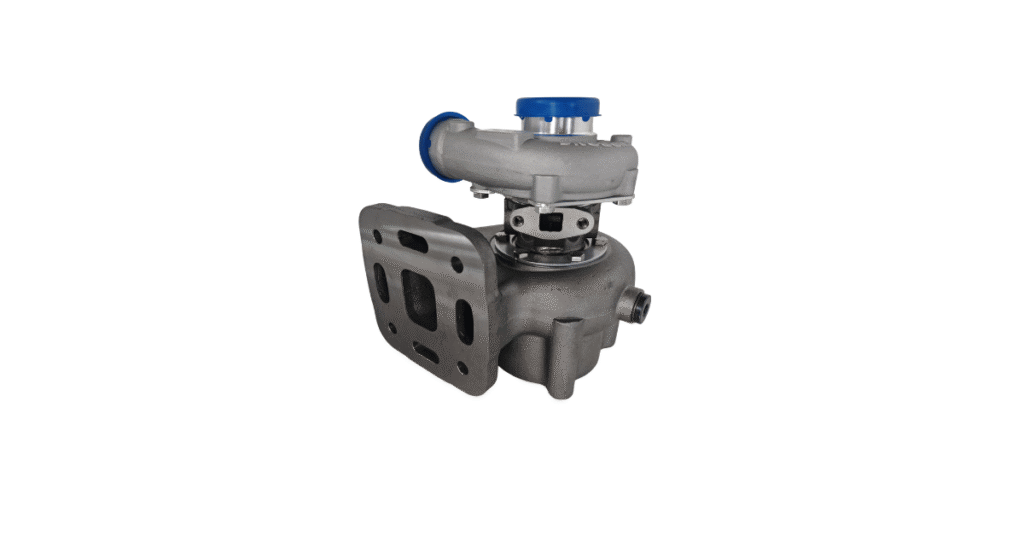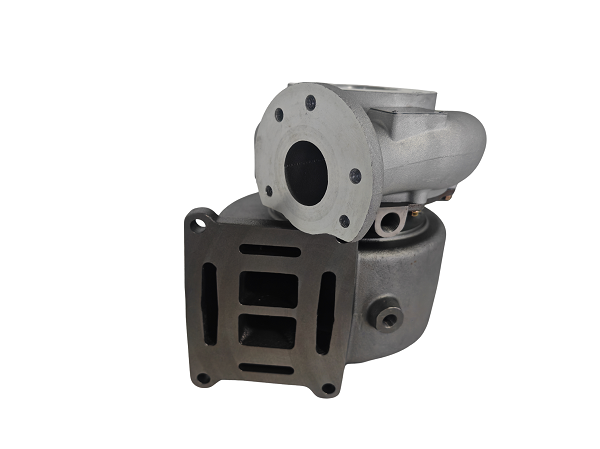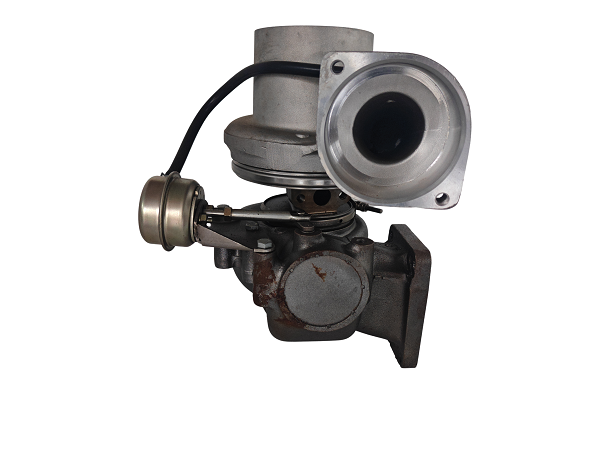
In the commercial vehicle sector, a turbocharger is far more than just a component—it is the “heart” of operational efficiency.
🔧The Appeal of Variable Geometry Turbochargers (VGT/VNT)Traditional turbochargers often suffer from “turbo lag” at low engine speeds. However, VGT technology adjusts the angle of internal vanes to modify exhaust gas flow.
- At low speeds:Narrow the nozzle cross-section to accelerate airflow, delivering instant responsiveness.
- At high speeds:Widen the cross-section to reduce backpressure and prevent overpressure.This “on-demand” adaptability enables heavy-duty trucks to achieve exceptional torque performance across the entire engine speed range.
🚛Why Commercial Vehicles Cannot Do Without It?
- Engine-Assisted Braking:By adjusting vane positions to increase exhaust backpressure, VGT assists vehicle deceleration and reduces brake wear.
- EGR Actuation:It enables more precise control over exhaust gas recirculation (EGR) flow, helping trucks meet stringent China 6 / Euro 6 emissions standards.
- Cost Reduction & Efficiency Improvement:For long-haul transportation, even a 1% improvement in thermal efficiency translates to massive savings in fleet fuel costs.
🚀From traditional wastegates to sophisticated electric VGTs, the evolution of turbocharging technology is making the logistics industry lighter and greener.